
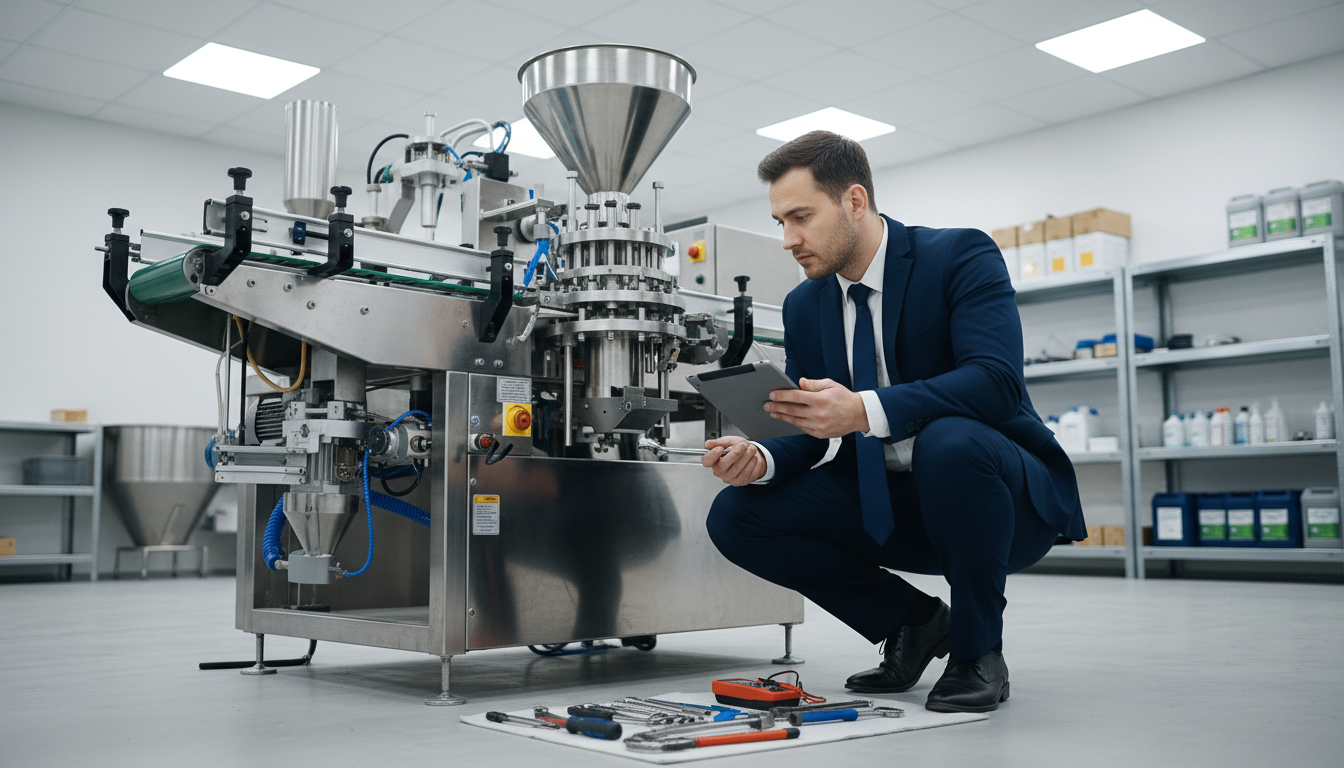

Are you losing thousands of dollars in production efficiency because of neglected protein powder packing equipment? Every manufacturer knows that precision machinery demands strategic maintenance, but few understand the critical nuances of protein powder packaging systems.
Wintech Package protein powder packing represents a significant investment for supplement manufacturers. Your protein powder packing machinery requires specialized care beyond standard packaging equipment. Dust control, product contamination prevention, and precision accuracy are paramount in maintaining high-performance bulk protein packaging solutions.
The supplement industry demands rigorous maintenance protocols. Protein powder packing equipment faces unique challenges due to the hygroscopic nature of protein powders and their tendency to clump. Implementing a comprehensive maintenance program isn’t just recommended—it’s essential for sustained operational success.
This article will guide you through critical maintenance strategies that protect your supplement packaging solutions, optimize production efficiency, and maximize your return on investment in protein powder packing technology.
Key Takeaways
- Protein powder packing machines require specialized maintenance
- Regular equipment care prevents costly production interruptions
- Hygroscopic protein powders demand precision packaging techniques
- Comprehensive maintenance impacts overall product quality
- Strategic equipment care reduces long-term operational expenses
Understanding Your Protein Powder Packing Equipment
Protein powder packing requires specialized equipment that ensures precise measurement, consistent packaging, and product integrity. Selecting the right machinery is crucial for maintaining quality and efficiency in your supplement production process.
Types of Protein Powder Packing Machines
When exploring protein powder packing solutions, you’ll encounter three primary machine types:
- Auger Fillers: Ideal for precise whey protein containers, handling 2-5000 grams with less than 1% error
- Cup Fillers: Designed for high-speed protein supplement bags, processing up to 100 containers per minute
- Vacuum Fillers: Perfect for delicate, fine powders that don’t flow easily
Key Components of Protein Powder Packing Systems
Understanding the essential elements of protein powder packing equipment helps optimize your production line:
- Bulk storage hoppers
- Precision metering mechanisms
- Container transport conveyors
- Dust collection systems
- Static control technologies
Common Issues in Protein Powder Packing Equipment
Protein powder packing machines can experience several challenges that impact product quality:
- Product bridging in storage hoppers
- Auger wear from abrasive ingredients
- Seal failures in protein supplement bags
- Measurement accuracy drift
By understanding these potential issues, you can implement proactive maintenance strategies to ensure smooth protein powder packing operations.
Routine Maintenance for Protein Powder Packing Machines
Proper maintenance of protein powder packing equipment is crucial for ensuring consistent product quality and minimizing unexpected downtime. Your protein powder packing machines require a strategic approach to maintenance that goes beyond basic cleaning.
Regular maintenance helps prevent potential issues in your fitness supplement packaging process. By implementing a comprehensive maintenance strategy, you can extend the life of your protein powder packing equipment and maintain optimal performance.
Daily Maintenance Essentials
Your daily protein powder packing maintenance routine should focus on critical operational checks:
- Clean external surfaces thoroughly
- Inspect protein powder pouches for proper sealing
- Check dust collection systems
- Verify weight calibration accuracy
- Ensure smooth hopper feeding
Weekly Equipment Inspection
Weekly protein powder packing maintenance requires a more detailed examination:
| Component | Inspection Focus |
|---|---|
| Auger Flights | Check for wear and potential damage |
| Seals and Gaskets | Examine for deterioration |
| Conveyor System | Verify belt tracking and tension |
| Sensors | Test functionality and responsiveness |
Monthly and Annual Maintenance Procedures
Advanced maintenance for protein powder packing machines involves comprehensive procedures:
- Conduct deep cleaning with potential partial disassembly
- Replace consumable parts per manufacturer recommendations
- Recalibrate scales and sensors
- Inspect electrical connections
- Schedule professional technician inspection
Consistent maintenance is the key to reliable protein powder packing performance.
Pro tip: Maintain detailed maintenance logs to track all procedures, part replacements, and identified issues. This systematic approach minimizes unexpected downtime and ensures peak performance in your fitness supplement packaging operation.
Troubleshooting Protein Powder Packing Issues
Protein powder packing can encounter various challenges that impact your sports nutrition packaging efficiency. Understanding these issues and their solutions is crucial for maintaining smooth operations in your custom protein powder packaging process.
Identifying Critical Problems
When working with protein powder packing equipment, you’ll likely face several common challenges:
- Inconsistent fill weights
- Product bridging in hoppers
- Excessive dust generation
- Machine jamming
- Seal integrity failures
Diagnostic Strategies for Equipment Failures
Effective troubleshooting in protein powder packing requires a systematic approach. Here’s a quick diagnostic guide:
| Problem | Potential Cause | Solution |
|---|---|---|
| Underfilled Packages | Calibration drift | Recalibrate filling mechanism |
| Dust Generation | Improper filling speed | Adjust filling nozzle design |
| Product Bridging | Moisture absorption | Install hopper vibrators |
Key Troubleshooting Techniques
Your protein powder packing strategy should include:
- Regular calibration checks
- Environmental control monitoring
- Comprehensive maintenance logs
- Equipment performance tracking
Pro tip: Most protein powder packing issues stem from operating outside equipment design parameters. Always consult manufacturer guidelines and maintain detailed production records to minimize disruptions in your sports nutrition packaging workflow.
Upgrading Your Protein Powder Packing Process
Modern protein powder packing technologies can revolutionize your supplement manufacturing workflow. As the nutrition industry evolves, selecting the right equipment becomes crucial for maintaining competitive edge and operational efficiency. Your protein powder packing strategy must balance technological innovation with practical business requirements.
Technological advancements in protein container manufacturing now offer unprecedented precision and performance. Servo-driven systems provide accuracy within ±0.5%, dramatically reducing product waste and improving overall production quality. These sophisticated supplement packaging solutions enable manufacturers to optimize every aspect of their packaging process, from fill rates to container consistency.
Benefits of Advanced Protein Powder Packing Technologies
Investing in modern protein powder packing equipment delivers significant operational advantages. Multi-head configurations can increase throughput to 120+ units per minute, while Industry 4.0 integration provides real-time monitoring and predictive maintenance capabilities. Enhanced dust control systems create cleaner work environments and minimize product loss during packaging.
Choosing the Right Protein Powder Packing Machine for Your Needs
Selecting the ideal protein powder packing machine requires careful evaluation of your specific production requirements. Consider factors like production volume, container specifications, product characteristics, and automation needs. Brands like Wintech Package offer comprehensive support, including product testing and customized solutions that align perfectly with your supplement packaging goals.